If you are living in a Country with a sunny weather and low rainfall index all year around my article today will be of near no value for you.
The problem I will talk about today occurs in shady and high humidity environments with a high rate of rainfall and very often at parts on the site surrounded by trees and less transited as the perimeters of the site.
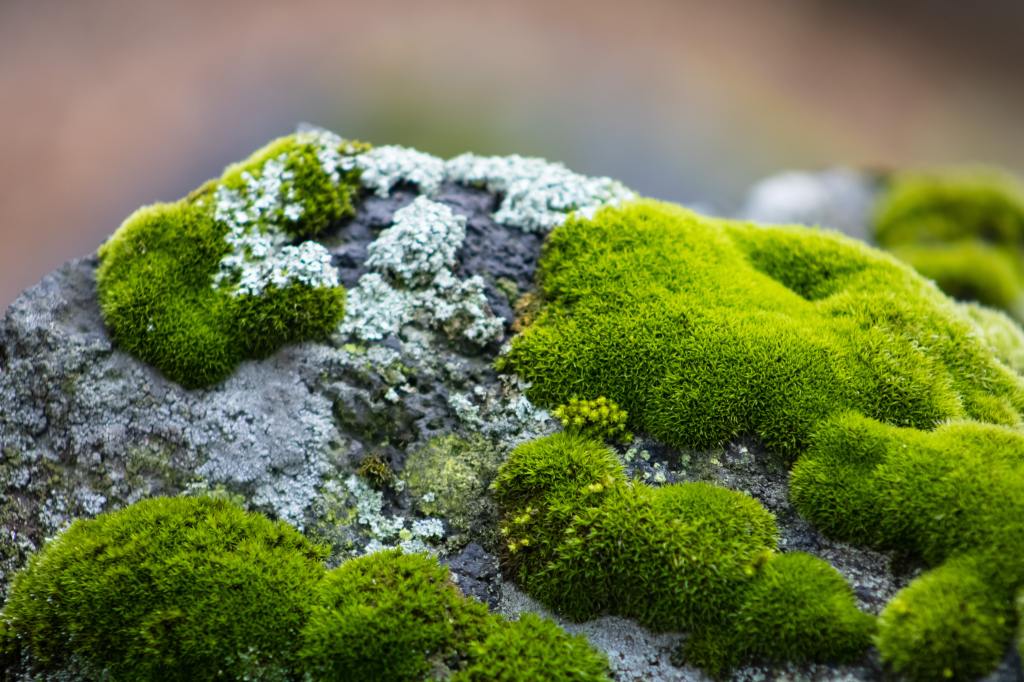
If your rubber flooring site is located in this kind of environment you better have a good and frequent cleaning maintenance plan or you will at some time have to face problems of moss, mould, mildew, algae, lichen, fungus or whatever other kind of name you have for these organic and fast growing living organisms.
If leaves or any other organic detritus fall in the area and stay there for some period of time this will rot down creating dark spots, algae, moss, weeds or fungus, and also may reduce the slip resistance or seriously impair the drainage capacity of the surface further increasing the problem.
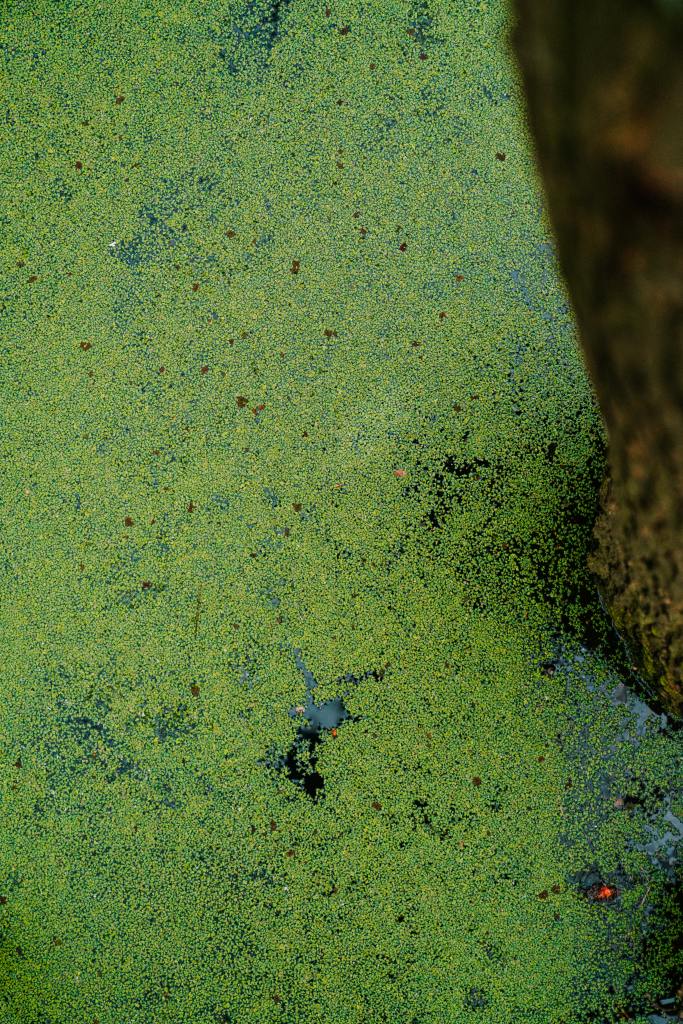
When any of these organisms start to forms on rubber, it’s important to kill and remove it quickly to avoid the germination of spores that would make the problem more difficult to fix and become a long-term damage. Because rubber is porous, the mould may penetrate the surface of the rubber. Hence the importance of a well prepared and executed preventive cleaning maintenance plan.
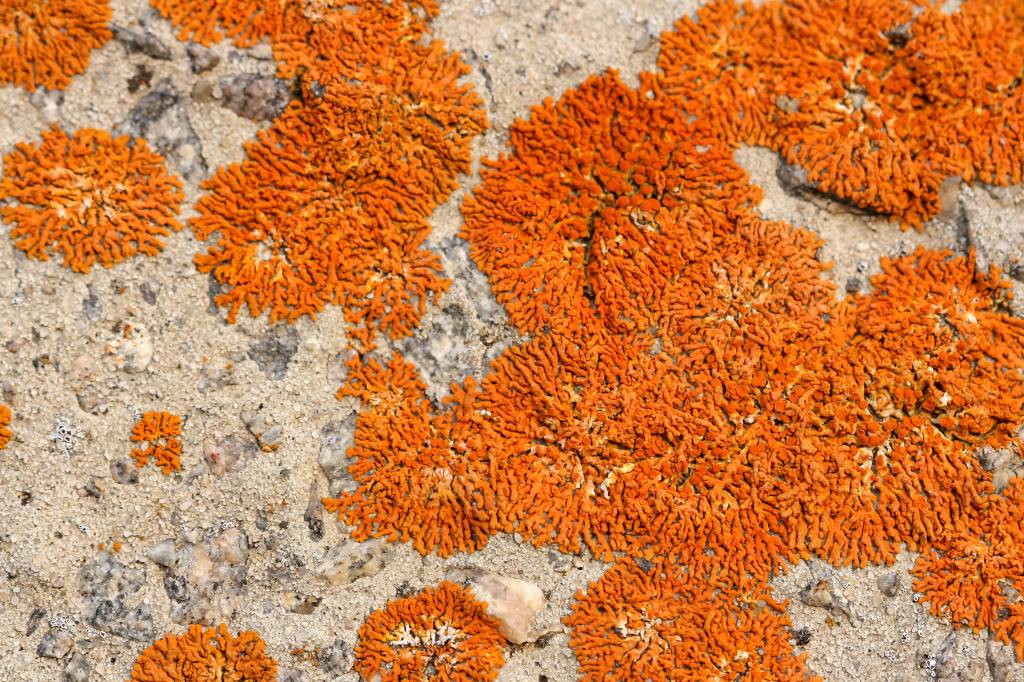
There are several cleaning formulations in the market as Kh7, Dettol, Fairy, Kiwicare, etc., that do not damage or discolour the rubber and, for sure, you can find a local cleaning product in your market, but there are also some basic products as white distilled vinegar that are effective at killing mould. Vinegar takes several (2 to 4) hours to kill the mould, but will not discolour or damage the rubber.
The best way to do it is using a brush or low pressure power washing and try first in one small portion of the area to ensure that your product will not decolorate the rubber and you get a good visual result before using it on the rest of the damaged area.
CONICA recently launched a couple of pigmented or transparent topcoats with additives reducing the spread of germs over the floor and not providing a breeding ground for microorganisms. These products may be used as a re-topping to add new live to the area.
These products have been tested according to ISO 22196:2011. Ask to your CONICA sales manager or distributor about CONIPUR 2200 AB and CONIPUR 2210 AB.
Take care
 Rubberman Blog