Before starting to work in the playground and safety flooring business, I worked for several years in a company specialized in accessibility and universal design founded by my dear friend Francesc Aragall.
My friend was one of the key people to implement the accessibility improvements in the city of Barcelona facing the 1992 Olympic Games and during the years that I worked alongside him he taught me almost everything I know about accessibility and universal design or “Design for All”. Accessibility and Design for All have become for me one of the most important requirements for all products and services in which I have worked subsequently.

What is Accessibility and Design for All
“Accessibility” is the necessary condition that all environments, products and services must possess to ensuring that all people can independently, easily, and safely make use and enjoy them, thus being able to fully exercise own citizenship regardless of age, gender, cultural background, physical, sensory or mental capabilities. The terms “Design for all”, “Universal Design” and “Inclusive Design” although with some significant differences could be comprised on this same definition.
Design for All is the intervention into environments, products and services which aims to ensure that anyone, including future generations, regardless of age, gender, capacities or cultural background, can participate in social, economic, cultural and leisure activities with equal opportunities.
These principles are especially important for the safety surfacing of the Playgrounds and Leisure areas as all citizens have the wish, the need and the right of being independent without facing physical and social barriers when trying to use these spaces.
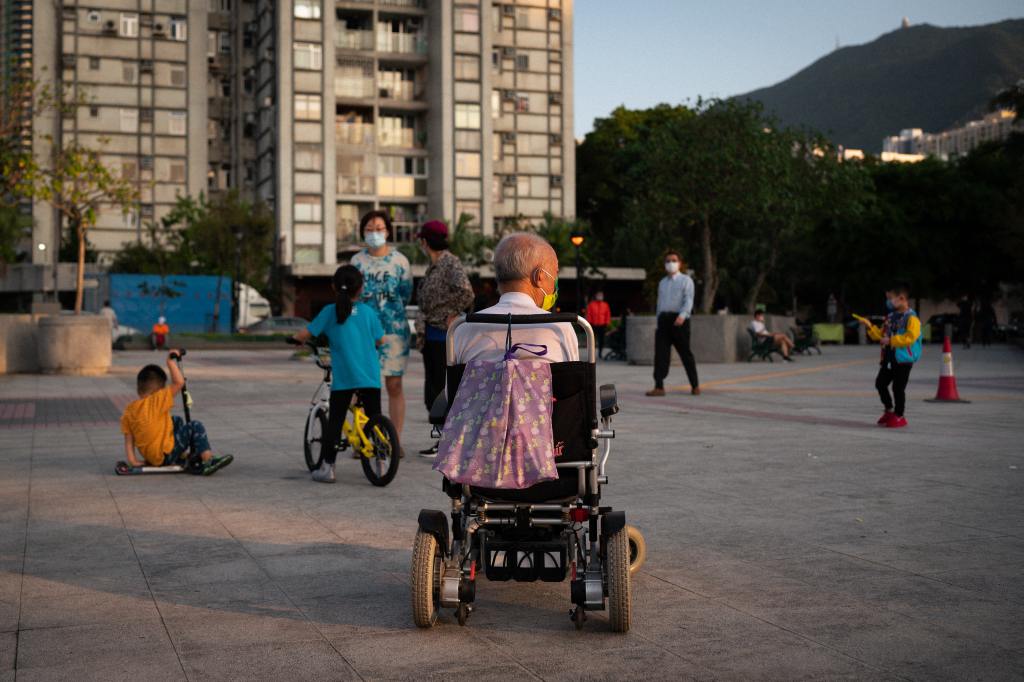
People of all ages deserve to have access to safe, fun spaces where they can immerse themselves in play. Children especially benefit from playing outdoors; they gain social skills, confidence, and develop stronger physical coordination. And interacting with people of all backgrounds and abilities fosters generosity, understanding, and empathy at an early age. Learning to work with one another despite differences prepares children for the diverse world they will take part in as adults.
Higher levels of accessibility encourage cross-generational play and strengthens family bonds.
An Accessible surfacing on a Playground can be reached or entered without challenge. For example, visitors in wheelchairs can manoeuver between the playground equipment and structures, accessing all features of the playground without an issue. When the playground has barriers prohibiting use by a child with a disability, the opportunity for play and physical activity is lost. Inaccessible surfaces can pose barriers for children with disabilities who may use canes, crutches, walkers or wheelchairs from moving through the play area. Pushing a wheelchair over loose gravel or sand requires tremendous physical effort. When so much effort is exerted, little to no energy is left for play.
Bonded surfaces as rubber wetpour, cork or mulch will allow the users to move easily and comfortably. Rubber tiles of the right quality and well installed and maintained will also be an accessible surface, but otherwise the edges between tiles may rise and become a very uncomfortable obstacle.

Choosing play surfaces that are accessible and that can be maintained as accessible surfaces, becomes one of the most important decisions during the playground planning and design phases.
It’s important to note that not all accessible playgrounds can be considered inclusive. The ADA publishes accessibility requirements, but the best playgrounds go above and beyond these standards to achieve true inclusivity, so everyone in the park can have a rewarding experience not only those with some mobility disabilities.
There are other aspects to consider in addition to accessibility as usability of the play equipment, availability of car and bike parking spaces, lighting, fencing and the presence of amenities (e.g. benches, bins, toilets and drinking fountains) but talking about all these important issues, would completely exceed the main subject of this post, that was about safety surfacing.
Take care
Sources:
https://www.access-board.gov/ada/guides/chapter-10-play-surfaces/
 Rubberman Blog