Some of my friends and customers in our business segment ask me about the raw materials disruptions status and my forecast about it.
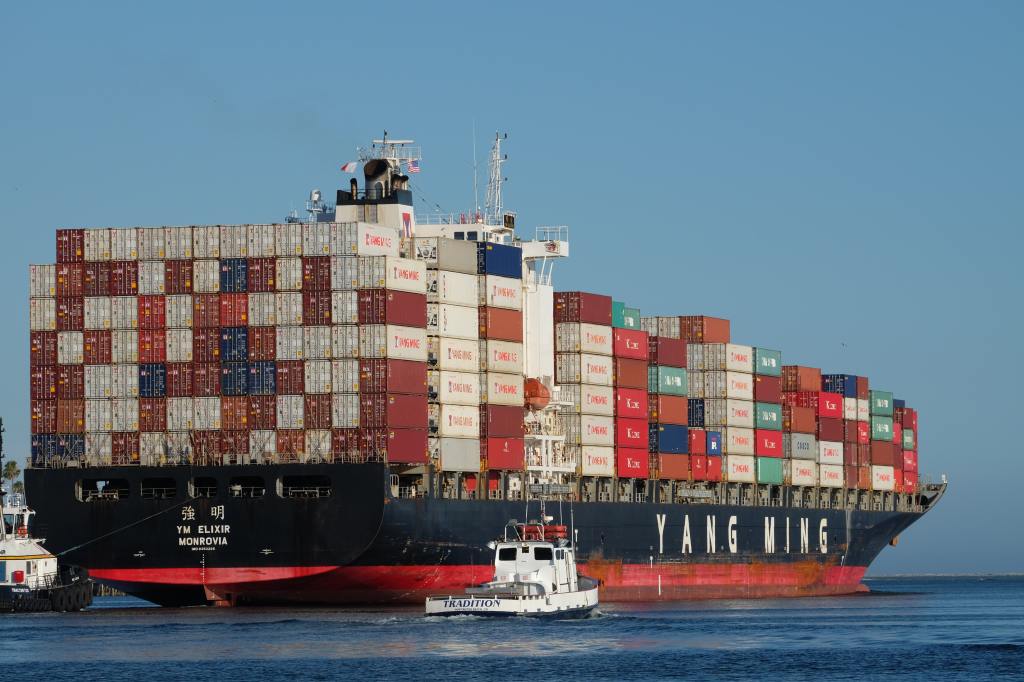
There are still a lot of supply chain disruptions in all industrial segments and also in our rubber flooring and associated chemical segment. The kind of disruptions include:
- COVID-19-related factory shutdowns in several Countries or regions with new coronavirus outbreaks.
- Chaos, jams, bottlenecks and delays at ports and longer transit times.
- Shortage on containers ships that result in sharp spikes in ocean freight costs.
I think this will continue for the rest of the year 2021 and near all business will be having inventory shortages in some product segments. For example, the main car maker in my region announced a few days ago a temporary shutdown due to shortage of electronic chips.
A lack of alternatives to ocean freight means it’s hard to avoid surging transport costs at the moment. For higher value products, alternative modes of transportation would normally be an option, such as the shipment of electronic devices by air or via train but capacity is currently limited, and tariffs have spiked as well, so is not a solution for our flooring business of high volume products.
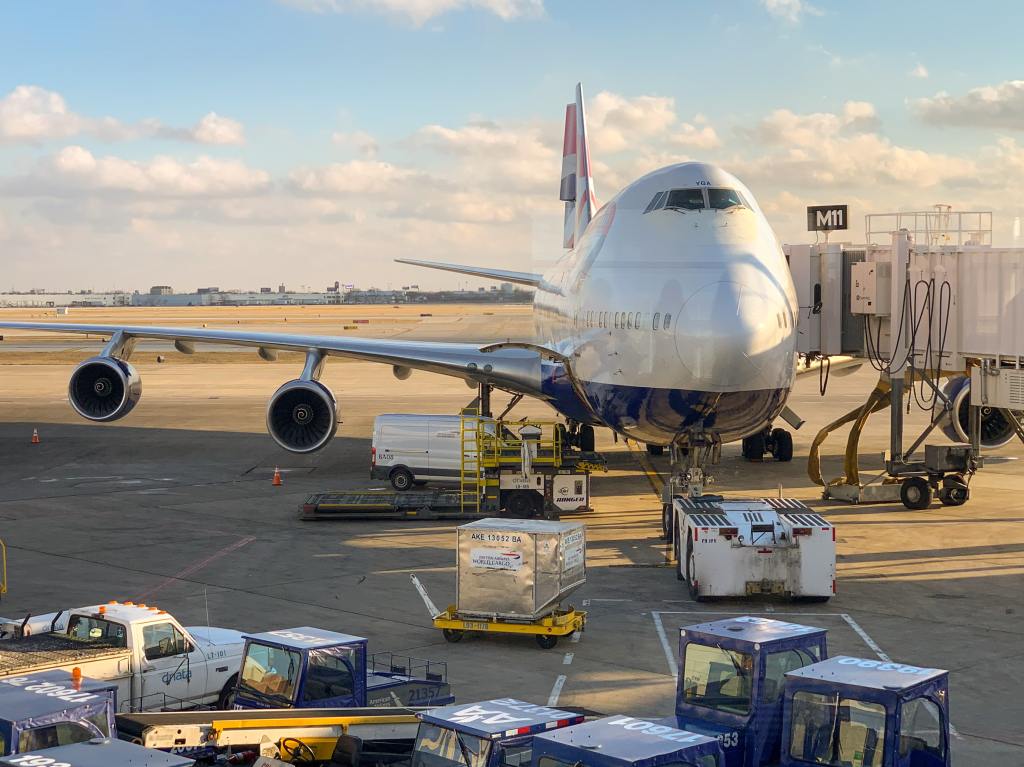
As a conclusion we have all together raw material shortages, labor shortages, shipping container shortages, freight space shortages, facilities closures, higher freight costs and constrained shipping capacity.
There is little sign of relief in the short term, and rates are therefore likely to continue spiking in 2022 as rising global demand will continue to be met with limited increases in shipping capacity and local lockdowns. Even when new capacity arrives, container liners may continue to be more active in managing it, keeping freight rates at a higher level than before the pandemic.
The longer these extreme shipping freight rates last, the more companies will take structural measures to shorten their supply chains. Few companies can absorb such big increases in total freight costs for internationally traded products.
Some analyst believe that this will change the trend of industries producing out of USA and Europe after moving to lower labour cost regions as freight may spoil the lower labour cost theoretical advantage. Well, at least, that could be good news if it really happens.
Take care.
 Rubberman Blog