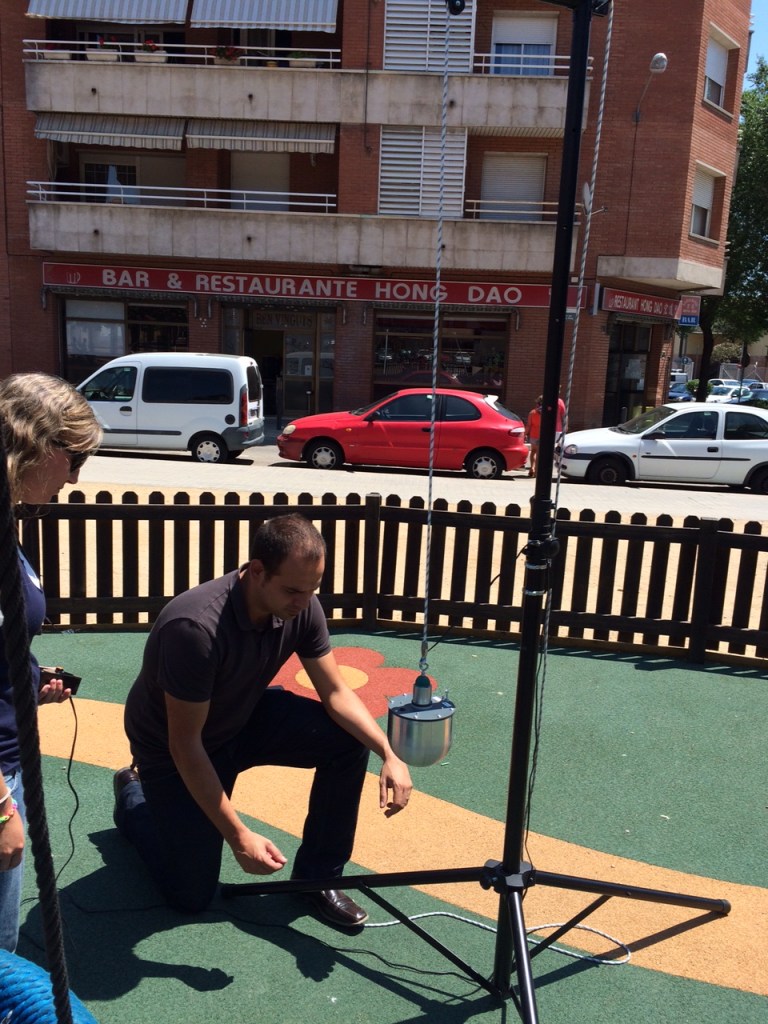
When testing the absorption capability of a safety surfacing at playgrounds we need to manage two concepts that are used to calculate the Critical Fall Height (CFH) of the surface. Even if you, as installer, are usually subcontracting this kind of test to a lab or inspector, is good you have a basic understanding of these two values.
HIC
The HIC is an index giving us an indication of probability. It measures the likelihood and severity of a head injury resulting from an impact.
During the latest revision of EN-1177:2018 standard there was a lot of discussions inside the working teams about making this index more severe and moving the maximum value of it from 1000 to 700, this was also discussed at the teams for the ASTM F1292-17 American Standard, but finally in both most relevant worldwide standards for fall height protection in Playgrounds the value of 1000 was maintained.
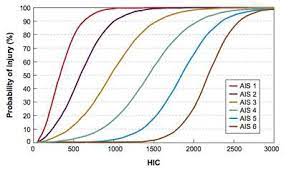
This maximum value of 1000 is equivalent to a 3% risk of having a critical brain injury (AIS 5), at 18% of risk of having a severe brain injury (AIS 4), a 55% risk of having a serious brain injury (AIS 3), an 89% risk of having a moderate brain injury (AIS 2), and 99,5% risk of having a minor brain injury (AIS 1), for an average adult male.
Gmax
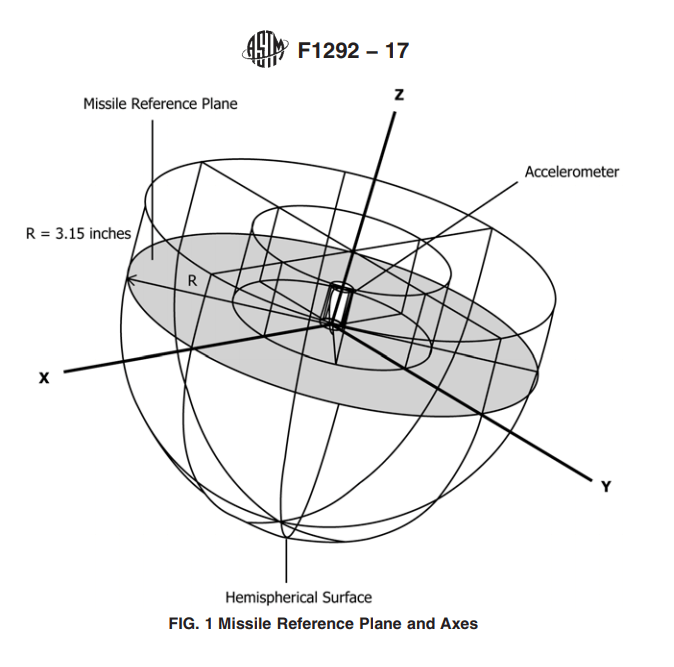
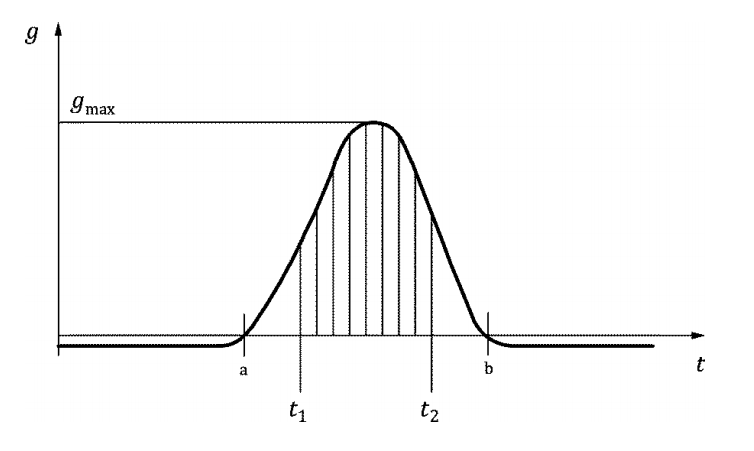
The latest revision of EN-1177:2018 added to the maximum HIC requirement, also a maximum measure of gravity (g) decceleration value of the measured fall. This is Gmax, the maximum value of “g” measured on the accelerators inside the missile simulating the head. This measure would represent the maximum deceleration between the moment of head (missile) knocking the floor and the moment of full stop and obviously this will be higher for higher heights of fall.
The Critical Fall Height of a safety flooring will be the lower of the heights calculated for the two index HIC and Gmax.
Take care
 Rubberman Blog