
In one of my previous articles on this blog, I discussed the most common materials currently used as granules for the top wearing layer of rubber wet pour flooring in playgrounds, fitness areas, water parks, pool decks, multipurpose areas and leisure applications. These were the ones I have used more frequently on real projects.

Although solutions based on EPDM and TPV are the most common, they are not the only options and, in recent years, some new synthetic, organic or semi-organic alternatives have been appearing.
In this post I will talk about the ones that I’ve been following with more interest and I will briefly mention some details about them as well as some advantages, applications or disadvantages according to my criteria. I’ve used some of them but not all.
SYNTHETICS:
Colour coated SBR: Whether in the form of granules or in the form of mulch, it is recycled rubber from tires, subsequently encapsulated or coated in colour using a pigment and a polyurethane binder. It is a lower cost option than EPDM or TPV, although it has a shorter duration, since when wearing, the colour layer is lost, leaving the black from the tire visible on the surface and in potential contact with the user.

Recycled EPDM: Rubber granules made from EPDM homogenised technical rubber scrap (not coming from tires) or industrial waste that have never been used. This EPDM scrap can be of different colours but is usually black. The original pieces are granulated from construction, automotive or household industries. Is cheaper than virgin EPDM but also sometimes has worse tensile properties and a bit of staining to clothes. Top coats can be applied to improve tensile properties, enlarge durability, improve UV protection and reduce slip.

Nike-Grind / EPDM blends: Solution consisting of virgin EPDM mixed with granules from the crushing of out-of-use sports shoes or manufacturing remains of new footwear under NIKE license. Product installed by PLAYTOP licensees. A synthetic product with an interesting message of sustainability and with a certain proportion of recycled material. Technical performance is very similar to EPDM.

Thermoplastic Olefin: Based on a mixture of ethylene vinyl acetate, which can be classified as a TPE (Thermoplastic Elastomer). A polymer that is supplied in the form of a round pebble. Has very good chemical and UV resistance, which makes it especially interesting for flooring in aquatic environments. The main supplier of this product is Polysoft® (Australia). It is usually mixed with an aliphatic binder. Due to the special shape low slip resistance may be be his main drawback.
TPR – Thermoplastic Urethane Rubber: Also resistant to UV and chemicals such as chlorine, so applications in aquatic environments are the most common. In the form of round pebbles the best known product is PebbleFlex /AquaFlex (USA – Landscape Structures product provided by Surface America). In granular form the best known is Water Flecks (USA – WMPolymers). Both TPR solutions are mixed with a two-component aliphatic binder and have a wide range of colours.


AquaFlex and PebbleFlex examples and some colour options for the pebbles
ORGANICS AND SEMI ORGANICS
The new regulations on microplastics and the recommended reductions on levels of PAH, PBDE and heavy metals, have allowed the appearance in the market of proposals for organic solutions from various natural plant materials.
Cork: A recent addition of interest as an organic product, Supplied through Brand-Master licenses from Corkeen / Amorim (Portugal). It is mixed with polyurethane binders. Unfortunately I do not know in detail its performance and behaviour in the medium and long term, but as a natural product it has an interesting narrative. As infill on artificial turf fields I find it a brilliant option.
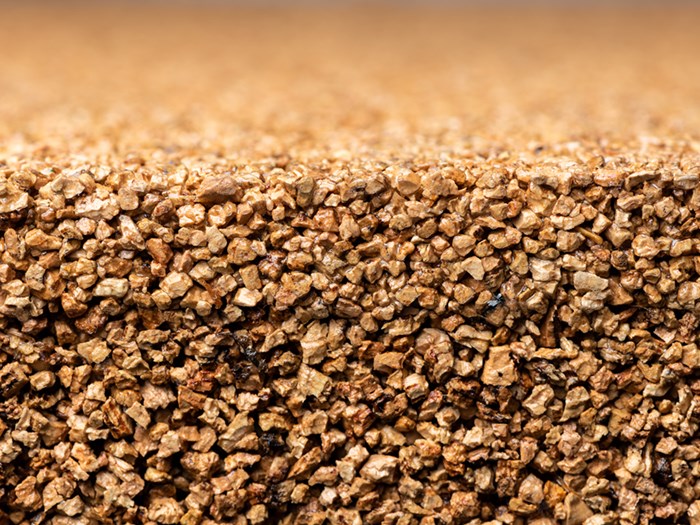
Encapsulated SBR / olive stone mixes: A grind from olive bones is mixed in different proportions with SBR from tires and encapsulated in polyurethane binder of the desired colour and granule size distribution. Known as Technigom® or Bioelastic, it is supplied in Spain by GMN (COMSA-EMTE).
Mixtures of SBR and coconut fiber: Solution similar to the previous one, but using fiber from the coconut shell as an organic element to be mixed with the SBR. The fiber comes from the coconut shell of a coconut palm tree. It is also frequently used as a substrate in gardening mixed with humus and also as carpets on latex bases, In this case for wet pour continuous flooring is mixed with granulated SBR rubber.


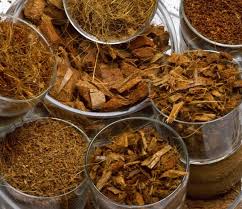
Coconut and crushed fibres of different size
Other vegetal fibers: In addition to coconut fibre, other plant materials have sometimes been used for flooring applications such as shredded algae, bamboo, etc.
A lot of other virgin or recycled synthetic materials and several organic solutions are used on safety surfacing, but specially for base layer where the main performance you look for is the cushion effect.
There are stricter requirements for the top layer because it has to endure high wearing, abrasion, indentation, UV and weather effects and keep good performance against slip and flammability. In addition to that the top layer is in contact with the users and determine the visual aspect of the flooring.
If you know other materials or do not agree with my views, don’t hesitate to add comments in the platform where you found this post.
Take care
 Rubberman Blog